Visiting Europe in Winter: Is a City Pass Worth It in December?
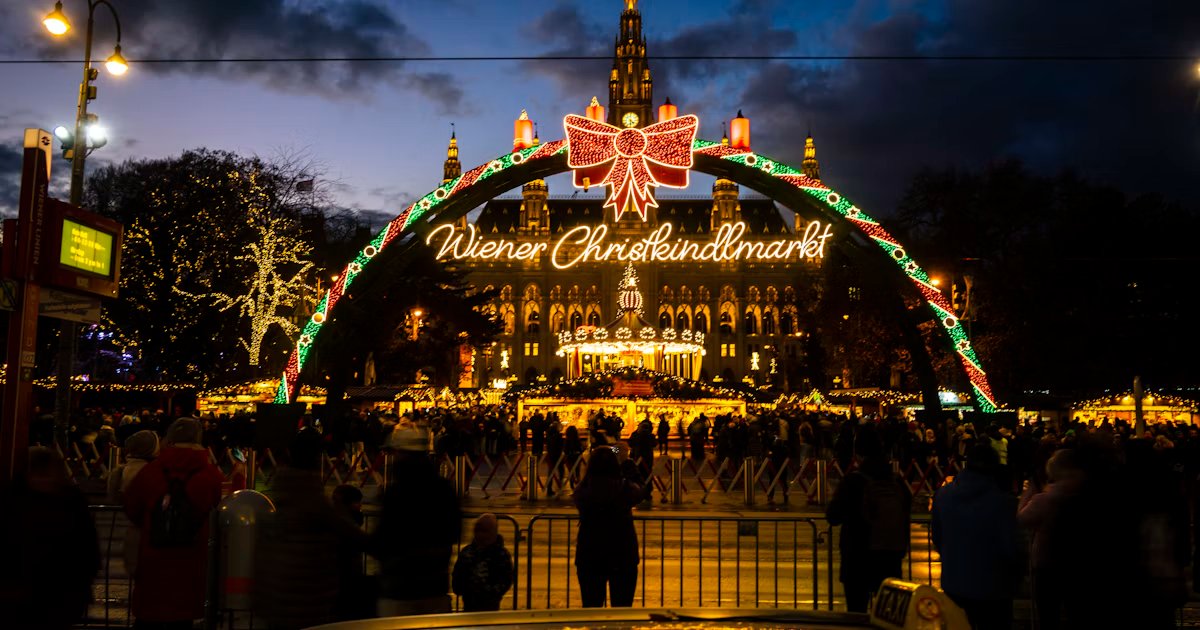
December is one of the most tempting months to visit Europe. Flights and hotels outside the Christmas week are often cheaper than in summer, the big museums are calmer, and cities like Vienna, Prague and Berlin fill their squares with Christmas markets. But winter also changes how a sightseeing pass performs. Days are short, some outdoor attractions cut their hours, and several days around Christmas and New Year are partly or completely lost to closures.
So is a Europe city pass in winter still good value, or are you better off buying a few single tickets? This guide works through the question the way we would for our own trip: what changes in December, which attractions keep their value, how to plan days so the pass pays for itself, and which of the cities we cover are the strongest winter choices.
Quick answer: is a city sightseeing pass worth it in winter?
Yes, often, if your plans lean on indoor sights. A city pass built around museums, palaces, churches and towers can work well in December, because those attractions keep their value in the cold and dark. It is weaker for outdoor-heavy plans, and you should avoid having it running on December 24 to 26 or January 1.
- Count only the paid attractions you will realistically visit in daylight or indoors.
- Check winter opening hours and holiday closures for each one.
- Choose a validity window that avoids Christmas Day and New Year's Day.
- Treat Christmas markets as free extras, not as something a pass covers.
Key takeaways
- Short days mean fewer attractions per day, so a winter pass usually needs more careful planning than a summer one to reach the same value.
- Museums, palaces and other indoor sites hold their value in December; open-top bus tours, gardens and viewpoints lose some of it.
- December 24, 25 and 26 and January 1 are the riskiest dates. Many attractions close or shorten their hours, and rules differ by country and by venue.
- Christmas markets are usually free to walk around, so they add to a trip without adding to the value of a pass.
- Cities with deep indoor collections, such as Vienna, Paris, Berlin and London, tend to be the most forgiving places to use a pass in winter.
How does winter change the value of a city pass?
A city pass saves money when the attractions you actually use would have cost more than the pass itself. That basic rule does not change in winter, and our complete guide to city sightseeing passes explains it in detail. What changes in December is how many attractions you can fit in, and which ones are still worth visiting.
Shorter daylight
Around the winter solstice, daylight in London, Berlin and Amsterdam lasts only about eight hours, and the sun sets at roughly 4 pm in those cities and in Prague and Vienna. Paris and Rome get a little more light, with sunset closer to 5 pm. In practice, this means your outdoor sightseeing window is compressed into the middle of the day. If you planned three outdoor stops and two museums for a single summer day, expect to manage one or two fewer in December unless you move the indoor visits into the dark hours.
This matters most for passes valid for a set number of hours or consecutive days. The fix is to give the dark hours to indoor attractions that stay open into the evening.
Winter opening hours
Many attractions publish separate winter timetables. Castle grounds, towers, gardens and outdoor monuments commonly open later or close earlier between November and March, and some seasonal sites close entirely until spring. Boat tours and hop-on hop-off buses often keep running but at lower frequency, which means more waiting between stops. Museums are generally the most stable, although many still close one day a week, often a Monday. Paris is a useful reminder that this varies: the Louvre closes on Tuesdays, while the Musée d'Orsay and the Palace of Versailles close on Mondays.
Check each attraction's winter hours on its official website, then confirm it is on the pass list in December.
Cold, rain and fatigue
Walking between sights in sleet or wind is slower and more tiring, so itineraries shrink faster in winter. If the numbers only work when you visit every attraction on your list, re-run the sums with one or two fewer stops per day.
Which attractions are still worth it in winter?
Split your list into indoor and outdoor attractions. Indoor sights are where a winter pass earns its keep; outdoor sights belong in the best daylight hours and should not be the main source of savings.

| Attraction type | Winter value | What to check |
|---|---|---|
| Art and history museums | High. Warm, unaffected by daylight, often open into the evening on some days | Weekly closing day, late-opening nights, timed-entry rules |
| Palaces and castle interiors | High. Usually indoors, and often decorated for the season | Winter hours, guided-tour times, holiday closures |
| Churches and cathedrals | Medium to high | Service times that restrict visitor access in December, especially around Christmas |
| Towers and observation decks | Medium. Great on clear days, wasted in fog or low cloud | Last entry time, weather closures, the forecast on the day |
| Canal and river cruises | Medium. Many boats are covered and heated | Winter departure frequency, whether the boat is enclosed |
| Hop-on hop-off buses | Low to medium. Cold on the top deck and less frequent in winter | Winter frequency, last departure, route changes |
| Gardens, zoos and outdoor walking tours | Low. Short daylight and weather cut the usable time | Seasonal closures, early closing, tour minimums |
Rule of thumb: if most of the value you expect comes from the first three rows, winter will not hurt much. If it comes from the bottom three, individual tickets may suit you better.

A note on free museums
Before you count a museum as a saving, check whether it charges for entry at all. In London, the British Museum, the National Gallery and the Natural History Museum have free general admission, so they are excellent winter options but add nothing to a pass. Other cities have free days or free collections too, so compare against real ticket prices.
What's closed over Christmas and New Year?
The days around Christmas and New Year are where a winter pass is most likely to lose value. Closures are set by each attraction, and they differ between countries and even between venues in the same city. The table below shows the general pattern, not a guarantee for any specific site.
| Date | What often happens |
|---|---|
| December 24 (Christmas Eve) | Many attractions close early, often by early afternoon. This is especially common in Germany, Austria and the Czech Republic, where Christmas Eve is the main family celebration. |
| December 25 (Christmas Day) | Widespread closures across museums, palaces and tours. In London, the Underground does not run on Christmas Day, which also makes getting around harder. |
| December 26 (Boxing Day / St Stephen's Day) | A public holiday in the UK, Germany, Austria, the Czech Republic, Italy and the Netherlands, among others. Some sites reopen, others keep holiday hours. |
| December 31 (New Year's Eve) | Early closing is common, and city centres can be busy or partly closed for events. |
| January 1 (New Year's Day) | Many attractions are closed or open late. Treat it as a low-value day for any pass. |
| January 6 (Epiphany) | A public holiday in Austria, Italy and Spain, among other places, which can mean holiday hours. |
If your pass runs for consecutive days, keep December 25 and January 1 out of the window and be cautious about December 24 and 26. Over Christmas itself, use the pass before or after the holiday block and fill the holidays with walks, markets and free sights. Our guide to choosing a sightseeing pass on a budget covers validity formats in more detail.
Do Christmas markets change the maths?
Christmas markets are one of the best reasons to visit Central Europe in December, but they rarely affect whether a pass is worth buying. Most markets are free to walk around, and you pay for food, drinks and gifts at the stalls. A sightseeing pass does not usually cover any of that, so a market evening adds to your trip without adding to your savings.
Where markets do matter is timing. Markets typically run from late November until around Christmas, and some continue into early January or reopen as New Year markets. Exact dates vary by city and by market each year, so check the city's official tourism listing before you book. Because markets come alive after dark, they pair well with a pass: spend the daylight hours on paid attractions, then head to a market once the sun has set and the museums are closing.

Market crowds can slow you down at weekends, so visit paid attractions next to a big market in the morning.
How to plan a winter day so the pass pays off
A winter pass is a scheduling exercise. The aim is to put outdoor sights into the best light, indoor sights into the dark, and nothing valuable on a holiday. This order works well in most cities:
- List your paid attractions. Write down every attraction you are likely to visit and mark each one as indoor or outdoor.
- Look up winter hours. Note opening time, last entry and weekly closing day for each one, using the attraction's own website.
- Remove the holidays. Cross out December 25 and January 1, and mark December 24, 26 and 31 as short days.
- Start early. Be at your first outdoor attraction near opening time. In December, the morning is your best outdoor light.
- Move indoors by mid-afternoon. Schedule museums and palace interiors from around 3 pm, when the light is going.
- Use late openings. Many museums stay open late on one or two evenings a week. Put your biggest museum on one of those nights.
- Add up the real ticket prices. Compare the total with the pass price for the validity you need. If the pass only wins when you visit everything, choose individual tickets instead.
- Activate at the right moment. If the validity runs in hours from first use, activate it in the morning, not at a late-afternoon museum.
A sample winter pass day
Here is how a well-paced December day might look in a Central European city with a sunset around 4 pm:
- 9:00 to 11:30: castle grounds, a tower or a viewpoint while the light is good.
- 11:30 to 13:00: a covered boat tour or a palace interior, plus a short walk between sights.
- 13:00 to 14:00: a warm lunch indoors.
- 14:00 to 18:00: one major museum, ideally on a late-opening day.
- Evening: a Christmas market or a concert, outside the pass.
That is three or four paid attractions, which is usually where a pass starts to compete with single tickets.
Which European cities suit a city pass in winter?
The strongest winter cities combine deep indoor collections with a compact centre, so short days hurt less. Check the pass provider's current attraction list before you buy.
Vienna
Vienna may be the best winter city pass destination in Europe. Its imperial palaces, art museums and concert halls are indoors, and the city is known for its Christmas markets, including the large market in front of City Hall shown at the top of this page. Plan palace and museum visits around the weekly closing days. Read our Vienna city pass review, or check the Vienna pass price.
Prague
Prague is beautiful in winter, but much of its appeal is outdoors: the castle district, the bridges and the Old Town streets. A pass makes the most sense if you lean on castle interiors, towers and museums, and do the hillside walking in the morning. Snow and ice can make the cobbles slippery, so allow more time between stops. See our Prague city pass review and Prague tours guide, or check the Prague pass price.
Berlin
Berlin has an enormous range of museums, which makes it a strong winter choice. Check which buildings on Museum Island are open, because long-running renovation work has closed parts of the complex. Hop-on hop-off buses run less often in winter, so do not build your day around them. Read our Berlin city pass review and Berlin bus tour guide, or check the Berlin pass price.
London
London is excellent in winter, but remember the free-museum effect described above. A pass only pays off here if you plan several paid sights, such as historic palaces, cathedrals and towers. Also plan around Christmas Day, when the Underground does not run. See our London city pass review and London bus tour guide, or check the London pass price.
Paris
Paris has some of the world's great indoor collections, and winter is a calmer time to see them. The main trap is the different closing days: plan the Louvre, the Musée d'Orsay and Versailles so that none of them falls on its closed day while your pass is running. Our Paris city pass guide and cheapest way to visit multiple attractions in Paris go into more depth, or you can check the Paris pass price.
Amsterdam
Amsterdam's museums and covered canal boats both work in winter, and canal cruises are often easier to book than in summer. Major museums use timed tickets, so reserve slots early. Read our Amsterdam city pass review and Amsterdam canal cruise guide, or check the Amsterdam pass price.
Rome, Barcelona and the south
Southern cities have milder winters and a little more daylight, so ruins and city walks hold up better. Rome's headline attractions still need timed reservations, and the Vatican has its own holiday closures. See our Rome, Barcelona, Florence and Venice city pass reviews before deciding.
Winter city pass checklist
How to use this checklist: go through it once when you shortlist a pass and again a few days before you travel, since winter hours and holiday arrangements are sometimes published late. If you cannot tick most of these, individual tickets may be the safer choice.
- At least three paid attractions I will really visit per pass day, most of them indoors.
- Winter opening hours and last-entry times checked for each attraction.
- Weekly closing days checked, and none of my key sights fall on a closed day.
- Pass validity avoids December 25 and January 1, and I know the hours for December 24, 26 and 31.
- Timed-entry slots booked where an attraction requires them, even for pass holders.
- Free museums removed from my savings calculation.
- I know whether validity runs in hours from first use or in calendar days.
- I have compared the pass price with the total of individual tickets, using today's prices.
- Christmas markets and evening events planned outside the pass.
- A rainy-day backup plan with indoor attractions that are on the pass.
Limitations and checks
This guide describes general winter patterns, not the live status of any attraction or pass. Attraction lists, prices, validity rules, opening hours and holiday closures are set by each pass provider and each venue, and they can change from one season to the next. Christmas market dates are set locally each year. Before you buy, confirm the current attraction list and validity rules on the pass provider's page, and confirm winter hours and holiday closures on each attraction's official website.
Bottom line
A city pass can absolutely be worth it in winter, and in some cities December is one of the most pleasant times to use one, with calmer museums and festive evenings. The difference from summer is that the pass rewards planning. Build your days around indoor attractions, put outdoor sights into the morning, keep the pass away from Christmas Day and New Year's Day, and treat Christmas markets as a free bonus. If the numbers still add up after that, a pass is a good buy. You can compare cities and validity options on Turbopass city passes once you have your list.
Frequently asked questions
Is a city sightseeing pass worth it in winter?
It often is, if most of the attractions you plan to use are indoors, such as museums, palaces and churches. Shorter days and holiday closures reduce how much you can fit in, so plan three or four paid attractions per day and keep the pass away from Christmas Day and New Year's Day.
Are attractions open on Christmas Day in Europe?
Many are closed on December 25, and opening on December 24, 26 and 31 and on January 1 is often limited. The rules differ by country and by venue, so check each attraction's official website for its holiday hours before you plan pass days.
Does a city pass include Christmas markets?
Generally no. Most Christmas markets are free to enter, and you pay for food, drinks and gifts at the stalls. Plan market visits for the evening, after the paid attractions on your pass have closed.
When do European Christmas markets usually open?
They typically run from late November until around Christmas, and some continue into early January. Dates change every year and vary by city and market, so check the city's official tourism listing before you travel.
Which European cities are best for a city pass in winter?
Cities with large indoor collections and compact centres work best, such as Vienna, Paris, Berlin and Amsterdam. London is also strong, but many of its major museums are free, so a pass there needs to be built around paid sights.
Should I buy a 1-day or a multi-day pass in December?
A shorter pass is often easier to use well in winter, because short days limit how much you can see. A multi-day pass can still work if every day avoids holiday closures and includes enough paid indoor attractions to beat the cost of single tickets.
Do hop-on hop-off buses run in winter?
In most large cities they keep running, but often less frequently and with earlier last departures. Open top decks are cold, so use the bus as transport between sights rather than as the main source of a pass's value.
Sources and further reading
Independent references on topics covered in this guide. We are not affiliated with these organizations.